Designing AI that clinicians actually trust
The interface choices that make AI feel safe to use in care.

Lead Designer, Hibiscus HealthBased in Toronto
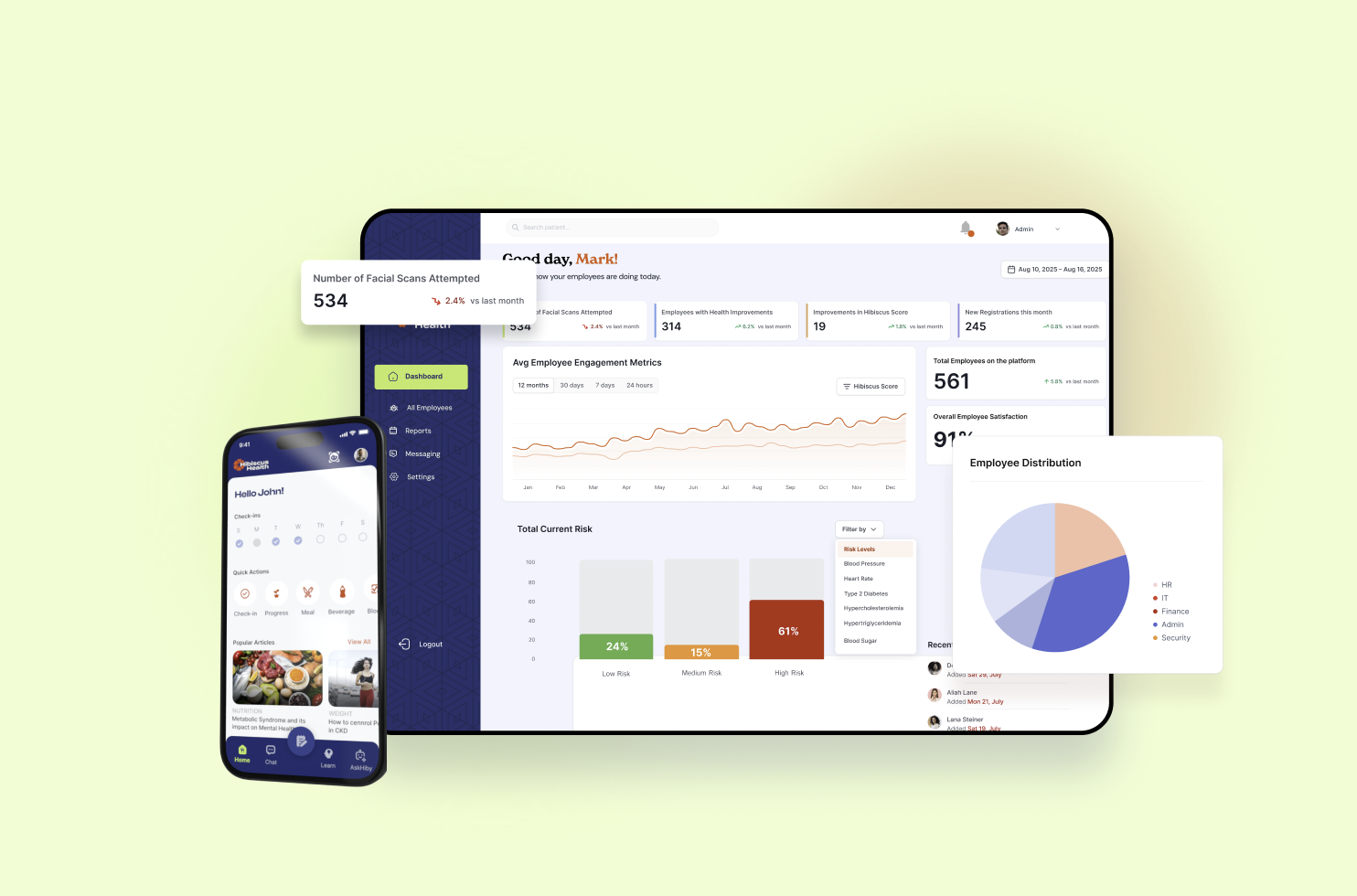
My work spans mobile apps, physical kiosks, and enterprise dashboards, including the tools employers use to find risk across a workforce before it turns into a claim.
Featured projects

 Coming soon
 Locked
 Locked
How I work
Clinical research, user interviews and usability testing come first, so the design answers the questions people actually have.
Design systems in Figma, connected to the codebase through Figma MCP, so components and tokens stay in sync across mobile, embedded web, kiosks and clinician dashboards.
Sketches, Figma, AI or code: I pick the tool that fits the problem, not the hype. A BSc in Computer Science and an MSc in HCI mean I speak engineering fluently and can take an idea all the way to working front-end.
About me
Founding Product Designer specializing in clinical AI healthcare: the intersection of complex regulated systems, deep tech, and consumer-grade usability.
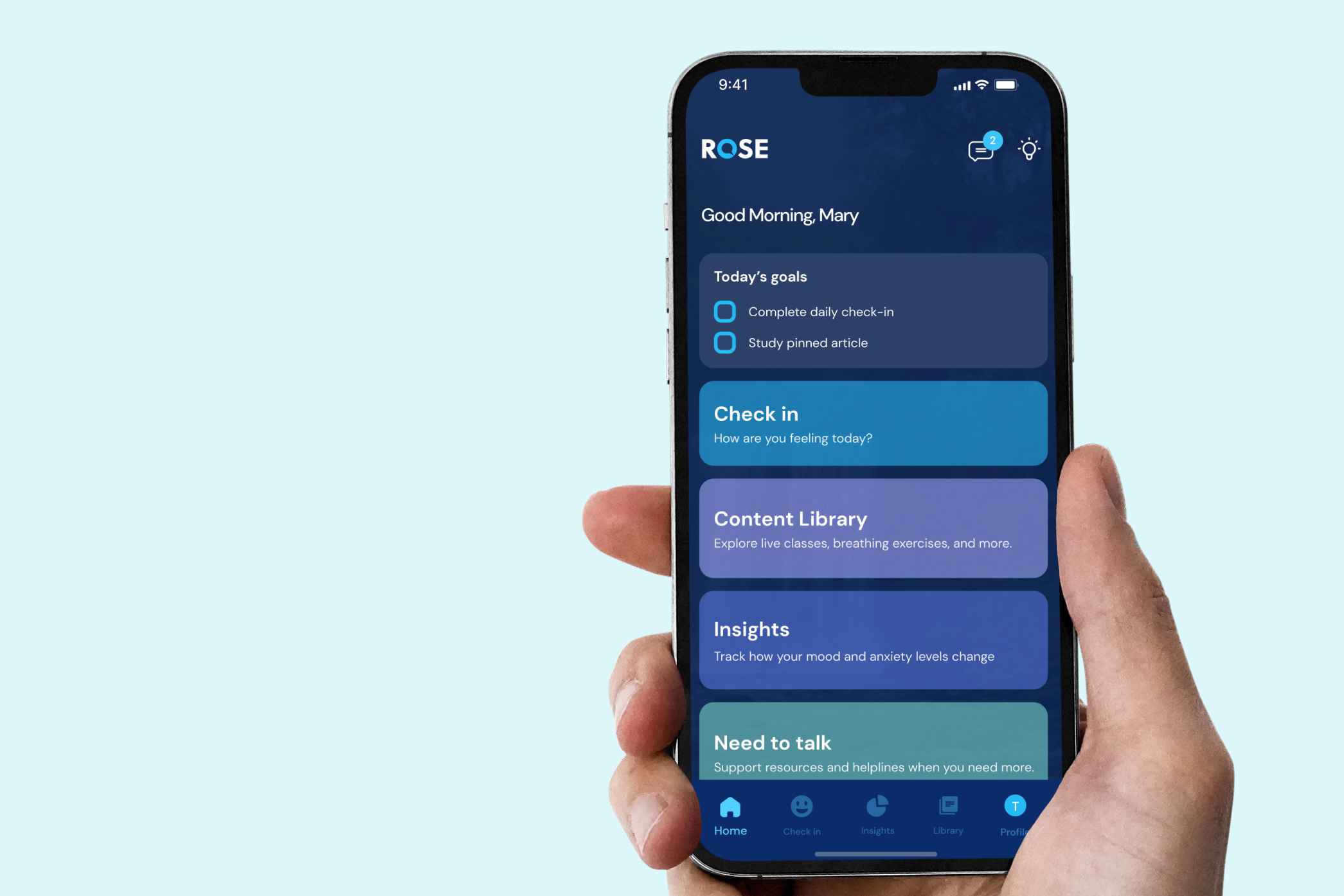
Over the past four years I've taken two ventures from early product bets to real clinical infrastructure. At Rose Health, I designed a mental-health platform that Precise Behavioral acquired in October 2022; it now runs as Precise Digital, in use across U.S. health systems, ACOs, and government agencies. Today I'm at Hibiscus Health, shaping a cardiometabolic screening product, validated by Johns Hopkins and USPTO-patented, that spans mobile, embedded web, physical kiosks, and clinician dashboards.
My background is Computer Science, a BSc in CS before an MSc in Human-Computer Interaction, so I'm technically fluent, I care about clinical rigor, and I code for fun.
Hibiscus Health
New York / Remote
Rose Health
Washington DC / California
TalentUp Africa
Lagos
GTBank
Lagos
Writing
Musings on design, AI and healthcare, written while the work is still happening.
The interface choices that make AI feel safe to use in care.
Simple ways to show uncertainty in an AI product, and when to hand off to a person.
Which AI tools stuck in my workflow, and where I still sketch by hand.
Hierarchy, density and alerts for screens that only get a glance.
Thinking about how it’s built can make a design safer than it should be.
When a design system is worth it, and when a small team can skip it.
Designing consent and privacy flows that are clear, not just compliant.
Open to design leadership roles in digital health and AI.